Give Your Liver Some Love: How This Unsung Organ Drives Whole-Body Wellness
Why Your Liver Deserves the Spotlight
Think of your liver as more than just your body’s “detox center.” Along with filtering out everyday toxins, it also helps with digestion, immunity, energy production, and hormone balance. When the liver is overworked or under-supported, the effects can ripple through your entire body—causing issues like brain fog, fatigue, hormonal problems, and skin troubles. Let’s unpack exactly why liver health matters so much and how you can show this organ the care it deserves.
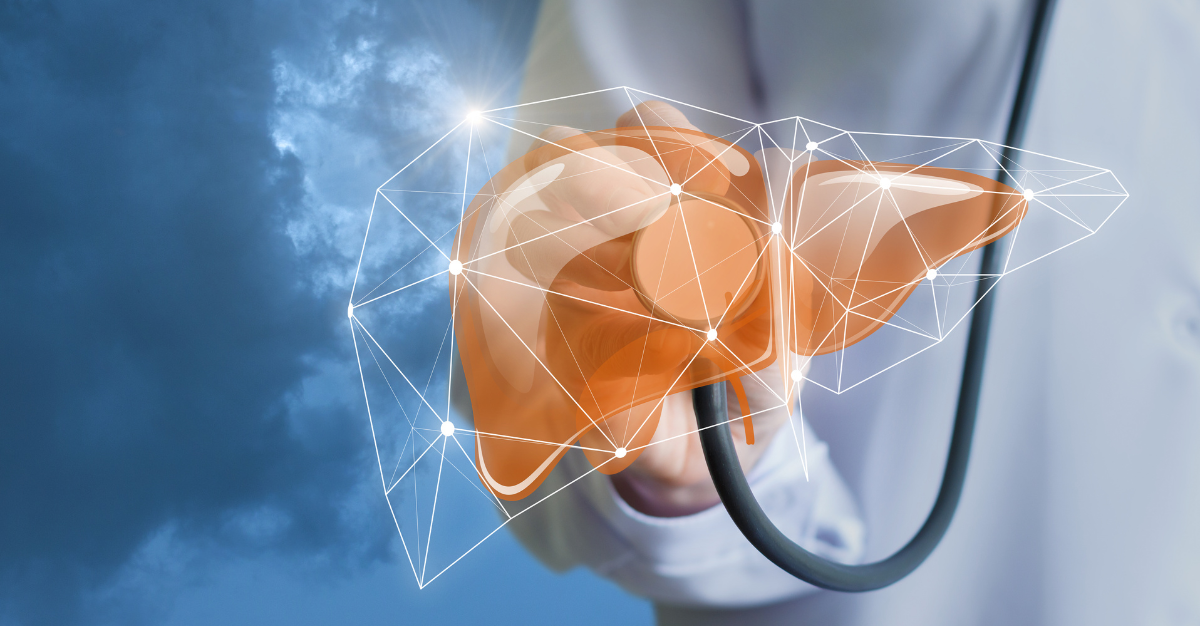
More Than Just Detox: The Liver’s Many Jobs
Filtering Toxins
Your liver is on permanent cleanup duty, filtering out toxins from your blood, breaking down medications, and processing chemicals. It converts these toxins into forms your body can eliminate—often through the kidneys or bile.Partner in Digestion
The bile your liver produces is crucial for breaking down dietary fats and helping you absorb fat-soluble vitamins (A, D, E, and K). This bile flow also influences gut motility and supports a healthy microbiome.Immunity MVP
Inside your liver, immune cells identify and remove pathogens before they can spread, making it a key player in your body's defense system.Energy Hub
Beyond detox, the liver helps stabilize blood sugar by storing and releasing glucose, and it metabolizes carbs, fats, and proteins to fuel your body.
When the Liver Struggles: Common Warning Signs
If your liver becomes overloaded—maybe from environmental toxins, stress, or a poor diet—several systems can show the strain.
Digestive Woes: Bloating, Constipation, and Indigestion
Bloating after fatty meals
Persistent feeling of fullness
Constipation due to sluggish bile flow
Acid reflux that worsens after processed or fatty foods
Skin Concerns: Acne, Rashes, and Yellowing
Breakouts on face, back, or chest
Eczema or unexplained rashes
Jaundice (yellowing of skin or eyes), indicating bilirubin buildup
Fatigue and Low Energy
Constant tiredness, even after adequate sleep
“Brain fog” or poor concentration
Lethargy and energy dips during the day
Hormonal Upsets: PMS and Mood Swings
Severe PMS symptoms and irregular cycles
Irritability, stress, and issues tied to cortisol imbalances
Skin changes like acne or hair loss related to hormone shifts
Mood and Cognitive Changes
Anxiety and irritability
Depression-like symptoms that may stem from detox or nutrient imbalances
Difficulty focusing or “foggy thinking”
Weight Fluctuations and Metabolism Slowdown
Midsection weight gain or stubborn belly fat
Hard time losing weight despite diet and exercise
Fatigue after high-fat meals
Bad Breath and Body Odor
Persistent bad breath described as “liver breath”
Stronger or more noticeable body odor
Your Guide to Better Liver Care
When it comes to functional medicine, supporting liver health is about far more than a one-time cleanse or detox product. Here are strategies that make a lasting impact.
Revamp Your Diet
Fiber and Antioxidants: Load up on vegetables—especially cruciferous ones like broccoli and Brussels sprouts—for extra detox support.
Healthy Fats: Include omega-3 sources (salmon, walnuts, chia seeds) to reduce inflammation and boost fat-soluble vitamin absorption.
Cut Down on Processed Foods: Minimize added sugars and trans fats that can strain your liver.
Support Both Detox Phases
Phase I Detox: Get enough antioxidants—vitamins C and E, plus glutathione (rich in citrus, berries, and leafy greens).
Phase II Detox: Eat sulfur-rich foods (garlic, onions, eggs) to help the liver neutralize toxins for safe removal.
Optimize the Gut-Liver Connection
Probiotic Foods & Fiber: Help reduce toxic buildup in the gut, easing the liver’s load.
Gut-Lining Support: Consider L-glutamine, aloe vera, or marshmallow root if you suspect leaky gut.
Thoughtful Supplementation
Milk Thistle: Known for shielding the liver from oxidative stress and aiding in cell repair.
N-Acetyl Cysteine (NAC): Boosts glutathione levels, helping the liver tackle extra oxidative stress.
Lifestyle Upgrades
Regular Exercise: Promotes healthy circulation, helping your liver and lymphatic system work more efficiently.
Stress Management: Chronic stress can sap liver function, so build in strategies like meditation, yoga, or breathing exercises.
Limit Toxin Exposure: Choose cleaner household products, filter your water, and avoid unnecessary additives in foods.
Functional Testing: Dig Deeper for Personalized Support
To create a customized liver-care plan, consider these functional tests:
Liver Enzyme Panel: Offers insights into inflammation and provides a baseline for liver function.
Organic Acids Test (OAT): Highlights imbalances in detoxification pathways and oxidative stress.
Comprehensive Stool Analysis: Evaluates gut health, checking for dysbiosis or inflammation that can overburden the liver.
Genetic Testing: Pinpoints genetic variations (e.g., MTHFR) that might affect your body’s ability to detox efficiently.
Keep Checking In: Why Ongoing Liver Assessments Matter
Because the liver’s workload can ebb and flow with changes in diet, lifestyle, and environment, it’s important to regularly monitor its status. Re-testing and adjusting your regimen ensures your liver receives exactly what it needs—helping you maintain better energy, clearer skin, and a more balanced mood.
Supporting your liver isn’t about a quick fix; it’s a committed approach to long-term health. If you’re looking for targeted guidance, feel free to reach out—I’m here to help you optimize this incredible organ and unlock your best health.
Frequently Asked Questions
Your liver does over 500 jobs. Here's how to stop making it work overtime.
Q: What are the early signs that my liver might be struggling — before anything shows up on labs?
A: This is an important question because standard liver enzymes (AST, ALT) don't elevate until significant damage has already occurred — they're not sensitive early warning signals. Earlier, subtler signs that the liver is overburdened include: persistent fatigue that's worst in the morning or after meals, difficulty losing weight despite doing everything right, bloating specifically after fatty meals, skin issues like hormonal acne or unexplained rashes, strong body odor or bad breath without an obvious cause, worsening PMS or intensified perimenopausal symptoms, and mood changes including irritability and brain fog. None of these alone diagnose liver dysfunction — but clustered together, they suggest the liver's processing capacity is under strain and worth supporting proactively.
Q: Why does a struggling liver cause hormonal symptoms like PMS or mood swings?
A: Because the liver is where estrogen gets metabolized and cleared. After estrogen circulates and does its job, the liver converts it through two phases of detoxification into water-soluble forms that can be excreted. When the liver is overburdened — by high toxic load, poor diet, alcohol, chronic stress, or nutrient depletion — this clearance process slows down. Estrogen that should be eliminated instead recirculates, contributing to what's commonly called estrogen dominance: heavy or painful periods, breast tenderness, bloating, mood swings, and anxiety, even when blood estrogen levels don't look dramatically high. The liver also metabolizes cortisol and thyroid hormones. A sluggish liver isn't just a detox problem — it's a hormonal problem.
Q: Does alcohol really affect the liver that much, or is moderate drinking fine?
A: Even moderate alcohol has measurable effects on liver detoxification capacity that are worth understanding, particularly for women managing hormonal symptoms. Alcohol is prioritized by the liver over everything else — when alcohol is present, Phase 1 and Phase 2 detoxification of hormones, environmental chemicals, and medications essentially queue behind it. Alcohol also increases beta-glucuronidase activity in the gut, which promotes estrogen reabsorption rather than excretion. For women with PMS, perimenopause symptoms, or estrogen-related concerns, even two to three drinks per week can meaningfully worsen the hormonal picture. This isn't about perfection — it's about understanding why symptoms often improve noticeably when alcohol is reduced, and making informed choices from there.
Q: What does the gut-liver axis mean and why does it keep coming up in functional medicine?
A: The gut and liver are anatomically and functionally linked through the portal vein — blood from the intestines flows directly to the liver before entering general circulation. This means everything the gut is doing (or failing to do) lands on the liver first. When the gut barrier is compromised, bacterial endotoxins and partially digested food particles cross into portal blood and trigger an inflammatory response in the liver. Dysbiosis — imbalanced gut bacteria — increases beta-glucuronidase activity, which reverses estrogen conjugation and sends processed hormones back into circulation. Constipation means toxins and hormones that should be excreted in stool linger and get reabsorbed. In short: the liver can only work as well as the gut allows it to. Supporting one without addressing the other produces limited results.
Q: What foods and supplements are most evidence-supported for liver health?
A: For food: cruciferous vegetables (broccoli, Brussels sprouts, cauliflower, kale) are the most consistently supported — they provide sulforaphane and glucosinolates that activate Phase 2 liver detox enzymes and support DIM production for estrogen metabolism. Beets and artichokes support bile flow. Adequate protein provides the amino acid cofactors (glycine, taurine, cysteine) required for Phase 2 conjugation. Fiber — especially soluble fiber — supports bile acid binding and excretion. For supplements with solid evidence: milk thistle (silymarin) for liver cell protection and repair, N-acetylcysteine (NAC) as a glutathione precursor for oxidative stress, and calcium-D-glucarate to reduce intestinal estrogen reabsorption. Magnesium and B vitamins are cofactors in multiple liver enzyme pathways and are commonly depleted. None of these require a specific cleanse product — they work best as consistent daily inputs.
Sources
National Institute of Diabetes and Digestive and Kidney Diseases (NIDDK). "Liver Disease Overview." NIDDK, U.S. Department of Health and Human Services, https://www.niddk.nih.gov/health-information/liver-disease.
Linus Pauling Institute, Micronutrient Information Center. "Antioxidants and NAC." Oregon State University, https://lpi.oregonstate.edu/.
National Center for Complementary and Integrative Health (NCCIH). "Milk Thistle." NCCIH, U.S. Department of Health and Human Services, https://www.nccih.nih.gov/health/milk-thistle.
Journal of Hepatology. "Research on Liver Detoxification Pathways." Journal of Hepatology, https://www.journal-of-hepatology.eu/.
American Journal of Clinical Nutrition. "Dietary Impacts on Liver Health." AJCN, Oxford University Press, https://academic.oup.com/ajcn.
World Journal of Gastroenterology. "Insights on the Gut-Liver Axis." World Journal of Gastroenterology, Baishideng Publishing Group, https://www.wjgnet.com/1007-9327/.
Environmental Working Group (EWG). "Toxins and Liver Health." EWG, https://www.ewg.org/.
Institute for Functional Medicine. "Functional Medicine Research on Testing Approaches for Liver Health." Functional Medicine Research Center, https://www.ifm.org/.
PubMed Central (PMC). "Lifestyle Factors and Liver Function." PMC, National Library of Medicine, U.S. National Institutes of Health, https://www.ncbi.nlm.nih.gov/pmc/.
National Institutes of Health (NIH). "Liver Health Overview." NIH, U.S. Department of Health and Human Services, https://www.nih.gov/.
New Year Health Bundle: Your Ticket to a Vibrant 2025
Looking to jump-start your well-being for the new year? My exclusive New Year Health Bundle is crafted to help you step into 2025 feeling energized, balanced, and ready for anything.
What’s Inside
Vitamin C
Boost your immune system and stay resilient against everyday challenges.PharmaGABA
Calm your mind, ease stress, and maintain razor-sharp focus—perfect for busy schedules.Digestzymes
Enjoy your meals without digestive discomfort. These enzymes support a happier gut.Omegas
Fight inflammation while promoting healthy brain, joint, and heart function, so you can thrive in 2025.
Why You’ll Love It
This carefully curated bundle keeps you healthy, energized, and relaxed as you tackle new goals and routines. Whether you’re setting fresh intentions, juggling family activities, or simply gifting yourself the ultimate wellness toolkit, this bundle has you covered.
GRAB your New Year Bundle here! Happy 2025!